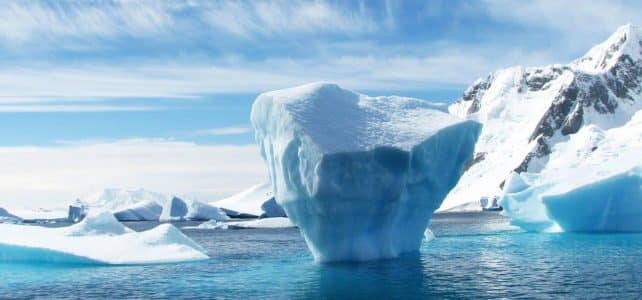
Traveling to Antarctica, this icy and remote territory, represents one of the greatest challenges for modern travelers. Isolated at the southernmost tip of our planet, this mysterious and hostile continent fascinates with its wild and pristine beauty. However, the journey to reach this land of ice requires meticulous preparation and a thorough understanding of the available means.
Choosing the Right Time to Depart
The season chosen to visit Antarctica is crucial for ensuring a successful expedition. The extremely harsh weather conditions and limited accessibility during certain times of the year make this choice essential.
The ideal period to go to Antarctica extends from November to March. During these months of the austral summer, temperatures are milder, generally ranging between -2°C and 8°C. Moreover, the long period of sunlight allows for maximizing activities and explorations.
- November: The start of the season with the melting of ice and the appearance of the first penguin colonies.
- December to February: The warmest and most favorable months for visits, with active wildlife and stunning clear landscapes.
- March: The end of the season, with still long days but a gradual return of colder temperatures.
The Available Modes of Transport
Accessing Antarctica often requires a combination of transport means, each with its own advantages and disadvantages. Here are the main options to reach this isolated continent:
- By Boat: The Antarctic cruise is the most popular option. Ships generally depart from the southernmost tip of South America, notably from Ushuaia in Argentina. This method offers an immersive experience, with the possibility of observing marine wildlife and glacial landscapes throughout the journey.
- By Plane: A few specialized charter flights depart from Punta Arenas in Chile, allowing for a quicker arrival on the continent. However, this option is often more expensive and heavily depends on weather conditions.
- By Helicopter: Mainly used for scientific missions or private expeditions, helicopters offer unmatched flexibility to reach specific areas.
Preparing Equipment and Clothing
Meticulous preparation of equipment and clothing is essential for surviving the extreme conditions of Antarctica. Here are some essential items to bring:
- Thermal Clothing: Base layers made of merino wool or synthetic materials to retain body heat.
- Insulated Jackets and Pants: Waterproof and windproof clothing with adequate insulation.
- Essential Accessories: Gloves, hats, thick socks, and insulated boots to protect extremities.
- Technical Equipment: Polarized sunglasses, high-protection sunscreen, and photographic equipment suitable for cold conditions.
Respecting Regulations and Environmental Preservation
Antarctica is a fragile and unique ecosystem, protected by strict international treaties aimed at minimizing human impact. It is crucial to adhere to these rules to preserve the local wildlife and flora.
The Antarctic Treaty, signed in 1959, lays the groundwork for environmental protection. According to this treaty, all activities must be conducted in a manner that does not disturb the ecosystem. Visitors must also follow the guidelines of the International Association of Antarctica Tour Operators (IAATO), which stipulate specific behaviors to adopt, such as maintaining a safe distance from wildlife, avoiding littering, and not collecting natural souvenirs.
For scientists and researchers, special permits are required. These permits are issued by the governments of the treaty member countries, ensuring that all research activities comply with preservation standards.
By adhering to these regulations, visitors play an essential role in safeguarding Antarctica for future generations.
Traveling to Antarctica is an exceptional adventure that requires meticulous preparation, a thorough understanding of weather conditions and transport means, as well as a strict respect for environmental regulations. By carefully planning your trip, you can discover the wonders of this unique continent while contributing to its preservation. Every step of this expedition, from choosing the season to preparing equipment, is crucial to ensuring a rewarding and responsible experience. Antarctica, with its wild and untouched beauty, promises you unforgettable memories and total immersion in one of the last great frontiers of our planet.