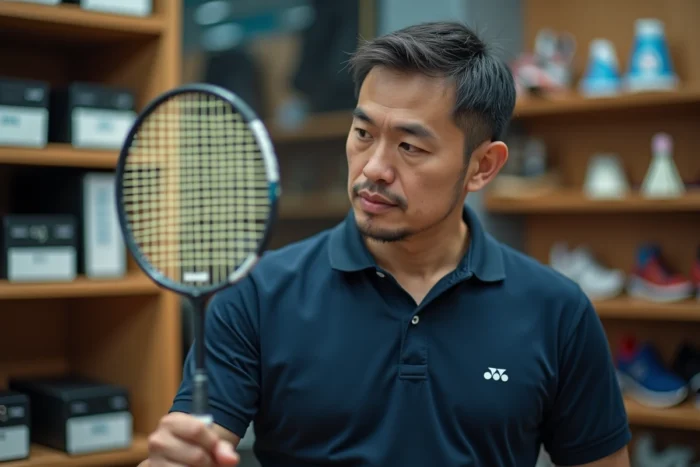
We order a Yonex racket on a marketplace, it arrives in decent packaging, the logo looks sharp, the price was attractive. Then after a few sessions, the frame cracks or the strings break for no reason. This scenario is affecting more and more badminton and tennis players, and Yonex counterfeits have become difficult to spot without a precise method.
Yonex Counterfeits in Tennis: An Additional Challenge Compared to Badminton
Not all fake Yonex products are created equal. Counterfeits of tennis rackets, especially for popular models like the Muse 100 or the Ezone, show superior precision in the engraving of serial numbers compared to badminton fakes. Specifically, tennis fakes are harder to identify visually than their badminton counterparts.
This difference is explained by the higher unit value of tennis rackets, which justifies a greater investment in finishes by counterfeiters. On a fake badminton racket, one often spots a slightly blurry Yonex logo, misaligned lettering, or a hologram that peels off at the first touch. On a high-end tennis counterfeit, these details are better reproduced.
To delve into each verification point, one can consult the Yonex authentication guide on Mon Coach Sportif en Ligne, which details the physical criteria to examine for each type of racket.
Yonex Verification: Concrete Checkpoints on the Racket
When holding the racket, several elements allow for a quick decision.
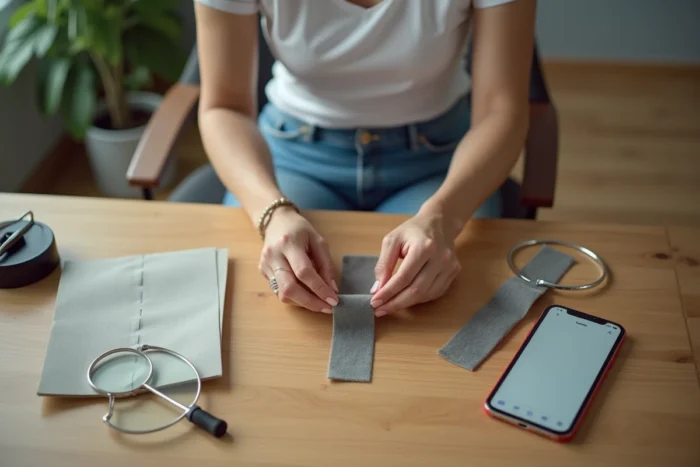
- The Yonex hologram should not peel off easily. On an authentic product, it resists and tears if one tries to remove it. A counterfeit uses a sticker that lifts effortlessly, sometimes with just a fingernail.
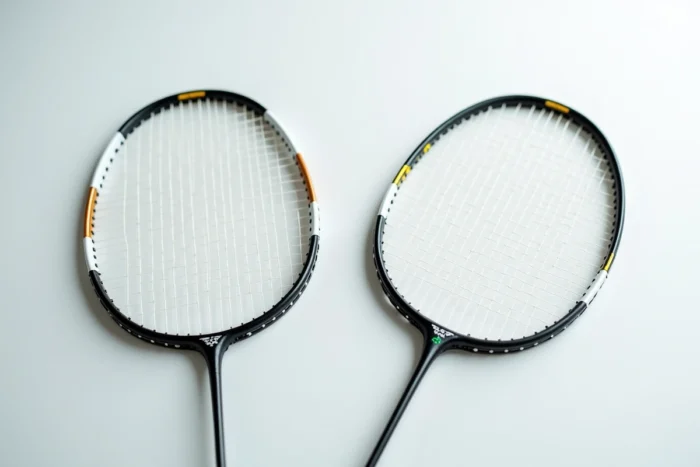
- The Yonex logo printed on the handle and the frame must be perfectly sharp, without smudges or misalignment. On fakes, the “Y” of the logo often has irregular edges or a slightly different shade from the rest of the marking.
- The serial number engraved on the butt cap follows a standardized format by Yonex. An absent, erased, or unusually styled number indicates a problem.
- The color of the butt cap itself varies by model. Yonex uses specific shades per range. A generic black butt cap on a model that is supposed to have a colored cap reveals a copy.
Beyond visual inspection, the feel provides clues. Recent high-end counterfeits exhibit excessive stiffness compared to originals. Feedback from regular players indicates premature breakage of fake frames, sometimes after only about fifteen hours of play, whereas an authentic model lasts much longer.
The Digital Hologram Verifiable via App
Since 2025, a European regulatory evolution requires certified Yonex importers to integrate a digital hologram verifiable via a dedicated app. One scans the hologram with their phone, and the app confirms or denies the authenticity of the product.
This measure is not yet widespread among all retailers. If the retailer does not offer this verification, it does not automatically mean the product is fake, but the absence of a digital hologram on a product sold as new and recently imported should raise a red flag.
Consumer Recourse After Purchasing a Yonex Counterfeit on a Marketplace
One discovers that their racket is fake. The question then becomes: can one obtain a refund, or even compensation?
On Amazon, the return policy generally covers reported counterfeit products within 30 days. A refund is almost guaranteed if one provides evidence showing the counterfeit (comparative photos, defective hologram). Amazon has a brand protection program that allows Yonex to have fraudulent listings removed, but third-party sellers often reappear under different names.
On AliExpress, the dispute procedure allows for a partial or total refund request. Returns vary in this regard: some buyers achieve a quick resolution, while others face long delays and vague responses from the seller.
What European Law Says
The sale of counterfeits constitutes an infringement of the Intellectual Property Code. As a buyer, one is not prosecuted for purchasing a counterfeit online in good faith. However, one can file a complaint for commercial deception.
Customs seizures of counterfeit Yonex products have increased in Europe in recent years, indicating that French and European authorities are tightening controls on the importation of sports equipment. Buying from an authorized Yonex dealer remains the only reliable guarantee against this risk.
Buying a Yonex Racket Without Risk: Reliable Channels
The safest reflex is to check the list of authorized distributors on the official Yonex website for one’s country. In France, specialized badminton and tennis stores listed there buy directly from Yonex or its national distributors.
General sports stores also offer authentic Yonex products, but one sometimes encounters parallel import models (intended for the Asian market, for example) sold without local warranty. These products are not necessarily fake, but their traceability is harder to establish.
On marketplaces, favoring listings shipped and sold directly by the platform reduces the risk. Third-party sellers, even well-rated ones, do not guarantee the authenticity of Yonex equipment. If the displayed price is significantly lower than the usual price for a recent model, the likelihood of a counterfeit increases significantly.
The second-hand market poses a similar problem. On player forums or resale sites, asking for detailed photos of the hologram, butt cap, and serial number before purchasing helps eliminate the most blatant copies. For recent models equipped with the digital hologram, requesting a screenshot of the verification via the Yonex app settles the debate.
Whether one plays badminton in a club or tennis recreationally, Yonex counterfeits are no longer a marginal issue. Verification methods exist, they take a few minutes, and they prevent playing with equipment that breaks at the wrong moment.