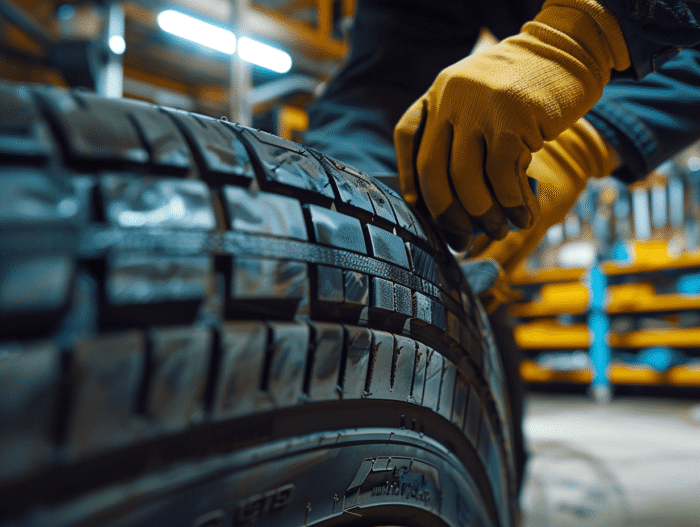
Drivers know how essential tire maintenance is for the safety and performance of a vehicle. Yet, few take the time to adopt the best practices to extend their lifespan. Proper pressure, regular rotations, and good wheel alignment are just a few tips that can maximize their longevity. Monitoring wear and choosing tires suited to the season and driving conditions can make all the difference. A few simple but essential actions can save you a lot of hassle on the road and unexpected expenses.
Regularly check pressure and balancing
The driver must maintain ideal pressure to ensure safety and optimize tire lifespan. Pressure should be checked at least once a month. You can use a gauge or visit a gas station for this. Incorrect pressure can affect handling and cause premature tire wear.
- Use a gauge to check the pressure
- Visit a gas station to adjust the pressure
- Check the pressure at least once a month
Wheel balancing is also fundamental. Poor balancing can cause vibrations, uneven tire wear, and increased fatigue on suspension components. This balancing should be done by a professional. The vehicle’s geometry, or alignment, should be checked every six months to avoid abnormal tire wear.
How many kilometers for a tire?
On average, a tire can last between 40,000 and 50,000 kilometers, depending on driving conditions and maintenance. These figures can vary based on other factors such as tire quality and the regularity of pressure and balancing checks. Tires bear the entire weight of the car and can reach temperatures of 80°C. They can deform radically, suffer impacts on curbs, and be damaged by obstacles. Be sure to monitor them regularly to avoid any accidents. For more information on how many kilometers for a tire, check our detailed guide.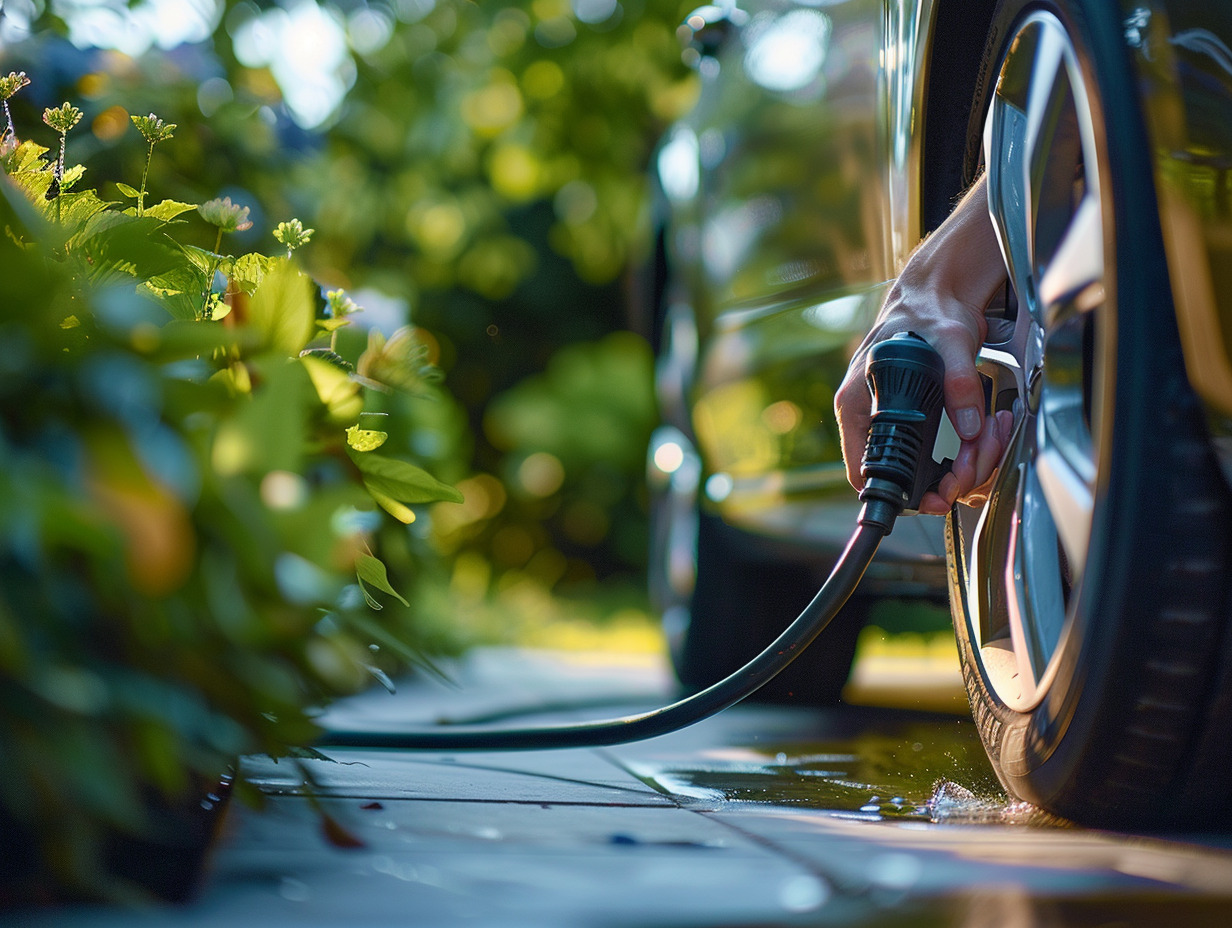
Adapt your driving and rotate your tires according to the seasons
Gentle and cautious driving extends tire lifespan. Sudden acceleration, abrupt braking, or taking corners too quickly accelerates wear. Adopt smooth driving to reduce mechanical stress on the tires and thus prolong their longevity.
- Avoid sudden accelerations
- Brake gently
- Favor smooth driving in corners
Regular tire rotation is essential. Front and rear tires do not wear evenly. By rotating them regularly, you ensure uniform wear. Perform this rotation every 10,000 to 12,000 kilometers or during each service.
Winter and summer tires: a necessity
Tires must be suited to the season. Winter tires provide better grip on cold and slippery roads. Install them as soon as the first cold weather arrives. Summer tires, on the other hand, perform better starting in early April. Do not neglect this transition. All-season tires can be an alternative, but they do not completely replace specific tires.
| Season | Recommended tires |
|---|---|
| Winter | Winter tires |
| Summer | Summer tires |
| Year-round | All-season tires |
Consider the age of the tires. Even if wear is not visible, tires over 10 years old should be replaced. Age, storage conditions, and usage affect their performance. To check wear, use a €1 coin. If the tread is less than 1.6 mm, change the tires immediately. Safety requires constant attention to the condition of your tires. Choose quality tires to ensure better longevity and optimal performance.